After the rains, the air changes
Once the monsoon eases, many families in Malkajgiri and nearby areas notice a nose that will not stay clear. Sneezing in the morning, itching, a blocked side of the nose, a scratchy throat, or a cough that is worse in dust are familiar reasons for a visit. The consultation at Suraksha Homoeo Clinic looks at timing and triggers. It does not treat every sneeze as the same condition.
Dr Prashanth Vasala asks when the symptoms are worse: sweeping, a scooter ride, a change in weather, an air-conditioned room, or the first hour after waking. Some people have a long seasonal pattern. Others have a new cold on top of an old sensitivity. Separating those two pictures changes the conversation.
What to bring into the room
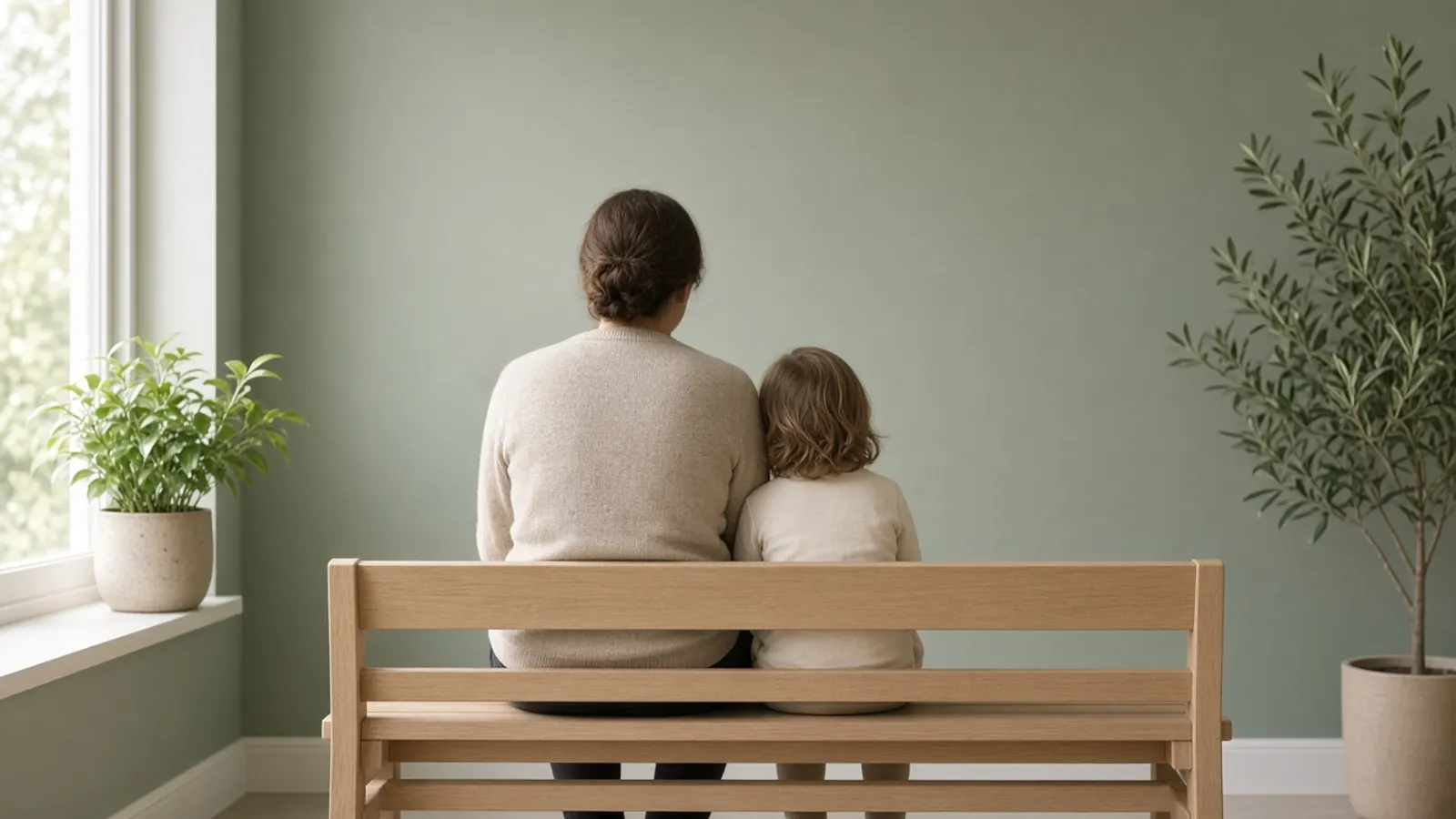
Note what you already use. Antihistamines, nasal drops, steam, an inhaler, or a specialist medicine should be named, not paused. If a child is the patient, a parent stays for the consultation and describes fever, drinking, and how the night went. Dust at home, a recent paint job, a pet, or a workplace with poor ventilation can matter as much as the symptom list.
A homoeopathic visit can look at a recurring nose and chest pattern and discuss supportive care where it fits. It does not replace an inhaler you were told to continue, and it is not the place for a severe breathing problem.
When the same symptoms are an emergency
Swelling of the lips or tongue, widespread hives with dizziness, trouble breathing, blue lips, or a child who is unusually drowsy needs emergency care. A high fever with chest pain, or a cough that is getting sharply worse over hours, should not wait for a routine evening slot. Call the clinic if you are unsure, and go to urgent care when breathing is difficult.
Seasonal flares are often reviewed again, because a better week and a dusty week tell different stories. If this pattern is already familiar in your home, a respiratory consultation can start with the history you have been living with.