
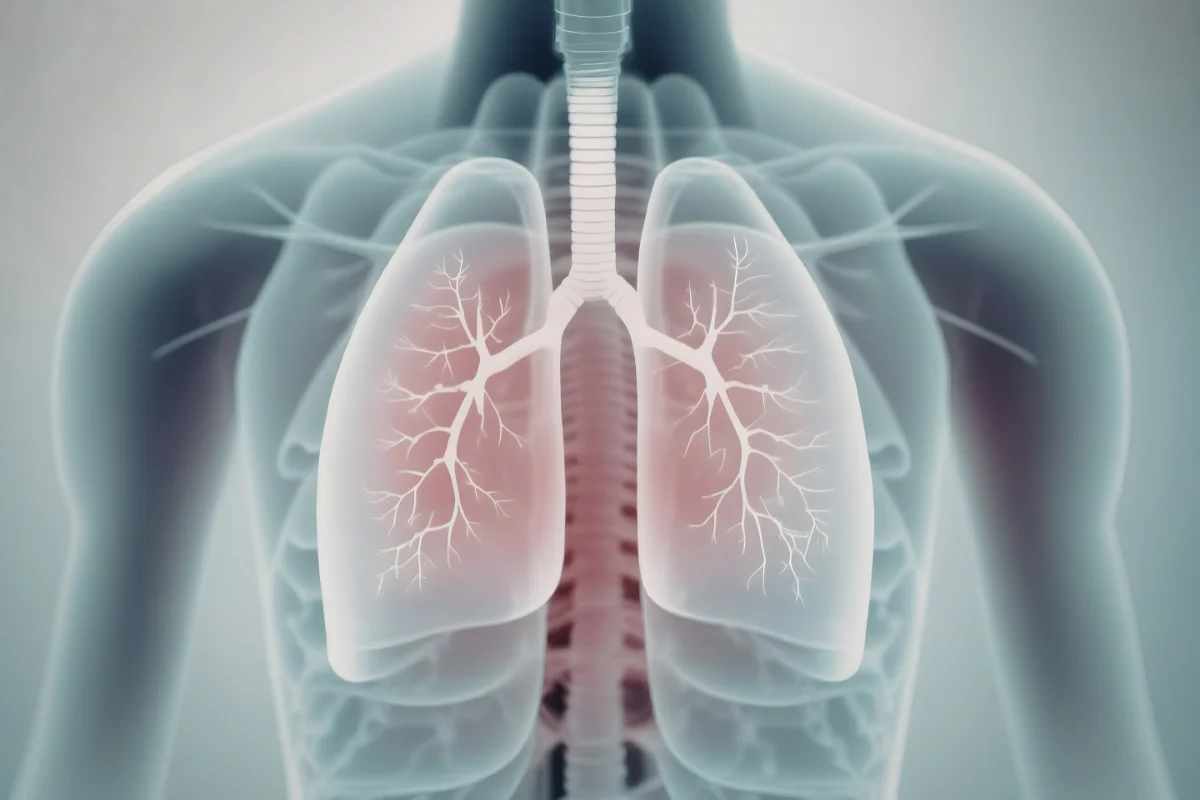
Breath, cough and sinus at the clinic
Respiratory Health and Healing Breath is the consultation at Suraksha Homoeo Clinic for coughs that return, noses that stay blocked, sinus discomfort, and breathing concerns that people want understood in context. Dr Prashanth Vasala, BHMS, MD (Homoeopathy), separates a new acute illness from a long pattern. Supportive homoeopathic care may be discussed for recurring trouble. It is never a reason to discard an inhaler, and it is never the right place for severe breathlessness.
The clinic is near Malkajgiri railway station at 26-84 Chanakyapuri, Secunderabad 500047. Weekday hours are 10:00 AM to 2:00 PM and 5:00 PM to 9:00 PM. Sunday is by appointment only. Children come with a parent. English, Telugu and Hindi are spoken.
Coughs, colds and a blocked nose
A cough may be dry at night and looser in the morning, or the reverse. It may follow every weather change, or sit after a cold that never quite finished. Nasal blockage can spoil sleep, school and work. Sinus discomfort may be a face pressure that worsens when you bend, with or without a thick discharge. Seasonal sneezing and an allergic nose often overlap with these stories, especially in dusty months.
Describe fever, wheeze, chest tightness, and what you already take. A lingering mild cough in an otherwise well person can be a clinic conversation. A cough with high fever, coughing blood, one-sided chest pain, or breathlessness at rest needs urgent medical care. Do not wait for an evening appointment with those signs. Call and you will be directed if you are unsure.
Asthma and inhalers
People with asthma, or with a diagnosis of a chronic breathing condition, may want supportive care beside their chest physician. Bring every inhaler and tablet name, and say how often you actually use the reliever. Night waking, effort limitation, and recent hospital visits are important. The consultation will not tell you to stop preventer or reliever inhalers. If your breathing plan is failing, that is a reason to contact the doctor who manages your asthma, or emergency care if you are struggling now.
Homoeopathic discussion, when suitable, is additional. It looks at your individual pattern: worse in dust, worse at night, worse from lying down, better in open air, accompanied by anxiety or by sinus trouble. Those details shape a case. They do not replace peak-flow advice, emergency inhaler technique, or a specialist review you are due. If you do not have a formal diagnosis and you wheeze, you may be advised to get a medical assessment before relying on a supportive visit alone.
Children who cough
Parents should attend with the child. Describe drinking, play, fever, and whether the chest seems to pull in. A child who is drowsy, blue, unable to speak in sentences, or drinking poorly needs emergency care immediately. Recurrent mild coughs and blocked noses, once those dangers are absent, can be discussed without panic. School absence and night cough are valid reasons to book.
Do not stop a paediatric inhaler or antibiotic course for this visit. Mention vaccines only to note that this clinic does not replace the immunisation programme. Each child needs their own time. Siblings can be booked back to back if you give both names.
Dust, weather and the city
Hyderabad dust, traffic, air-conditioning, incense, and a change from hot days to cooler nights appear in many histories. Some people are worse on two-wheelers. Others are worse in a closed bedroom. Monsoon damp and winter mornings each have their stories. Record what you have noticed. The doctor will not blame you for the city’s air, and will not claim that a consultation changes pollution. The case uses your triggers so the picture is personal.
Smoking, household smoke, and workplace dust should be mentioned honestly. If another clinician has asked you to change an exposure, that advice stands. This visit may discuss practical points, but it is not a lung rehabilitation programme. People with known tuberculosis treatment, or with a cough that has lasted with weight loss and fever, need that medical pathway first. Say so when you call.
How the consultation proceeds
You explain the symptom in your own words. Questions then cover timing, position, effort, fever, and medicines. Sleep is included because night cough and post-nasal drip change the next day. Digestion or skin may be mentioned if they flare in the same season. Reports, if you have them, can be looked at. The clinic does not perform chest X-rays or spirometry. If those are missing and needed, you will be advised where that kind of care sits.
At the end you should know whether a supportive plan is reasonable, whether you must keep current inhalers, and which signs mean you should not wait. Ask for that summary if it is not clear. There is no promise that sinus pressure or asthma will resolve on a schedule. Acute infections and long patterns are reviewed differently.
Follow-up through a season
A review asks about nights, reliever use, school or work days lost, and any new fever. Fewer night wakes with the same diagnosis can matter, and it is not described as a cure. Increased reliever use, new chest pain, or breathlessness is a reason for medical review promptly. Keep a simple tally if you can. Bring the inhalers again so names are not guessed.
Book on 9010906402 or 9010906407, or WhatsApp 9010906402. Mention respiratory review and your preferred session. If you are acutely wheezy on the day of the appointment, do not travel in distress. Seek urgent care and rebook when you can speak comfortably.
Who should come
Adults and children with repeated coughs, people with sinus discomfort that returns, and patients with a known respiratory condition seeking support beside standard care are the usual visitors. People hoping for permission to throw away inhalers, or hoping to treat an emergency at home, are in the wrong service. Allergy questions that are mainly sneezing and itchy eyes may also fit the immune and allergy discussion, but a blocked nose and cough can start here.
When you call, say cough, sinus, asthma support, or child with a cold pattern. Give the child’s age if relevant. Bring medicine boxes. You do not need to fast. If you use a nebuliser or have a written asthma plan, bring that too.
Breath, treated as a priority
Healing breath, in this clinic’s language, means a careful respiratory consultation with emergencies kept in front. You can expect questions about night symptoms and effort, respect for prescribed inhalers, and a follow-up if the pattern is recurring. You can expect to be sent to urgent care when lips are blue, a child is drowsy, or an adult cannot breathe properly. That boundary is the most important part of the service, and it is repeated because breathing does not wait for a gentle plan.
What to track without turning home into a ward
Between visits, note night cough, blocked-nose mornings, school or work days affected, and how often a reliever inhaler was actually used. You do not need a machine unless your chest physician has asked for readings. A tally on a phone is enough. Dusty travel, a change of season, and a cold in the house can sit beside those numbers so the review is not a bare count. Keep preventer inhalers on the schedule you were given. Skipping them because a week felt better is a common reason patterns return, and this clinic will not endorse that skip.
Learn the signs that cancel a planned review: struggling to speak, blue lips, a child who is drowsy or not drinking, chest pain, coughing blood, or breathlessness that is new at rest. Those go to emergency care. A milder increase in night cough can be phoned to the clinic so the appointment is brought forward if needed. Parents should agree which adult will watch a coughing child overnight, and that adult should know the emergency signs rather than only the homoeopathic instructions.
Bring the same inhalers to the next visit so names are not remembered wrongly. Mention any antibiotic or nebuliser used in between. Respiratory care at Suraksha Homoeo Clinic stays useful when it is this concrete: a personal pattern, medicines left in place, and no hesitation when breath itself is failing. Sinus pressure without danger signs can be reviewed in the same case as cough if you say so at the start. Fever, facial swelling, or pain that is severe and new still needs urgent medical assessment before that review is kept. The clinic phone numbers, 9010906402 and 9010906407, are for booking and for asking whether to come or to go to hospital, not for treating an emergency by message. A parent calling about a child’s night cough should say the child’s age and whether the child is drinking and speaking normally. That single detail decides whether the next step is an appointment or an emergency department. Mention morning or evening preference if an appointment is appropriate. Please arrive a few minutes before the booked time.